
Portfolio Website
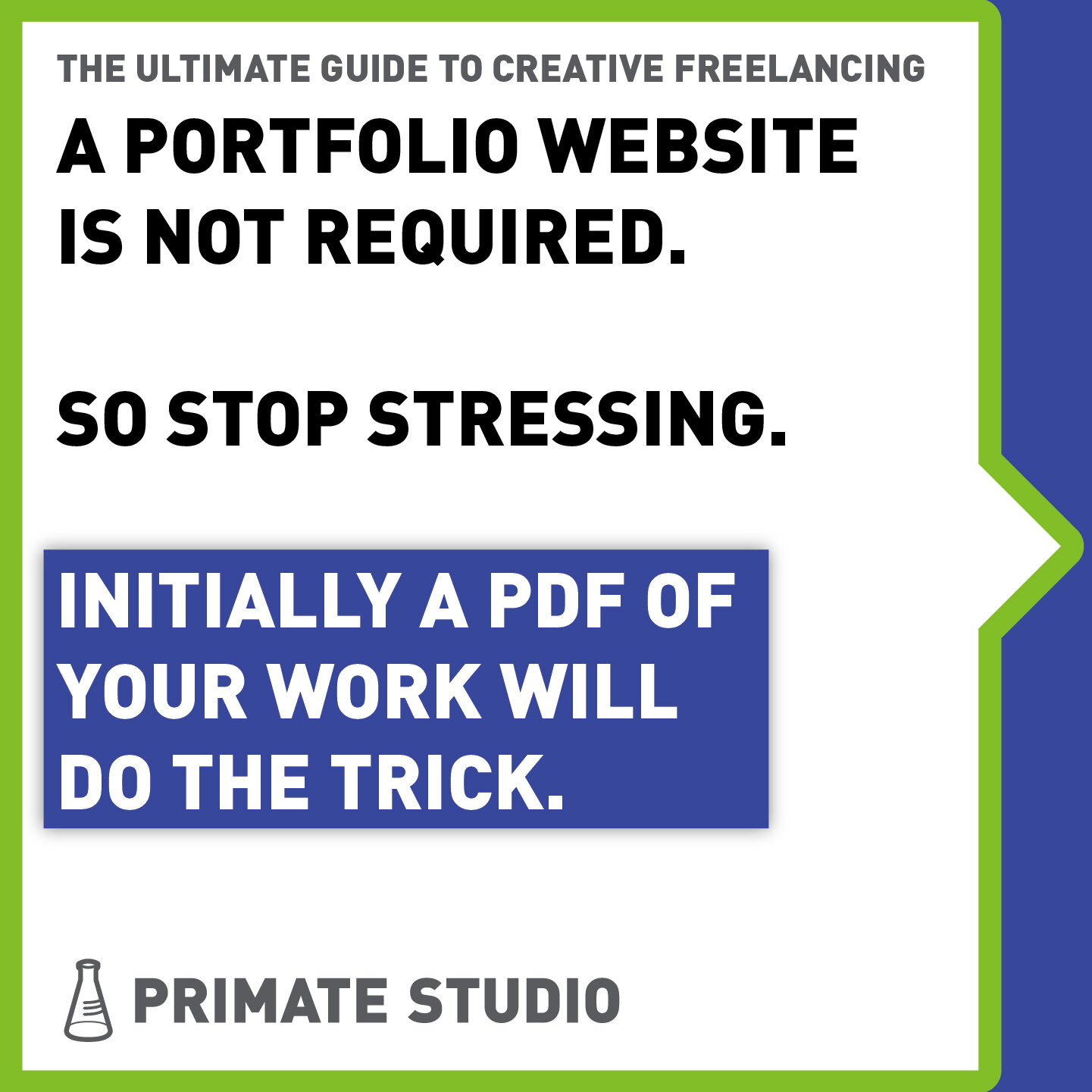
A website is not required, so stop stressing
A PDF of your work will do the trick initially
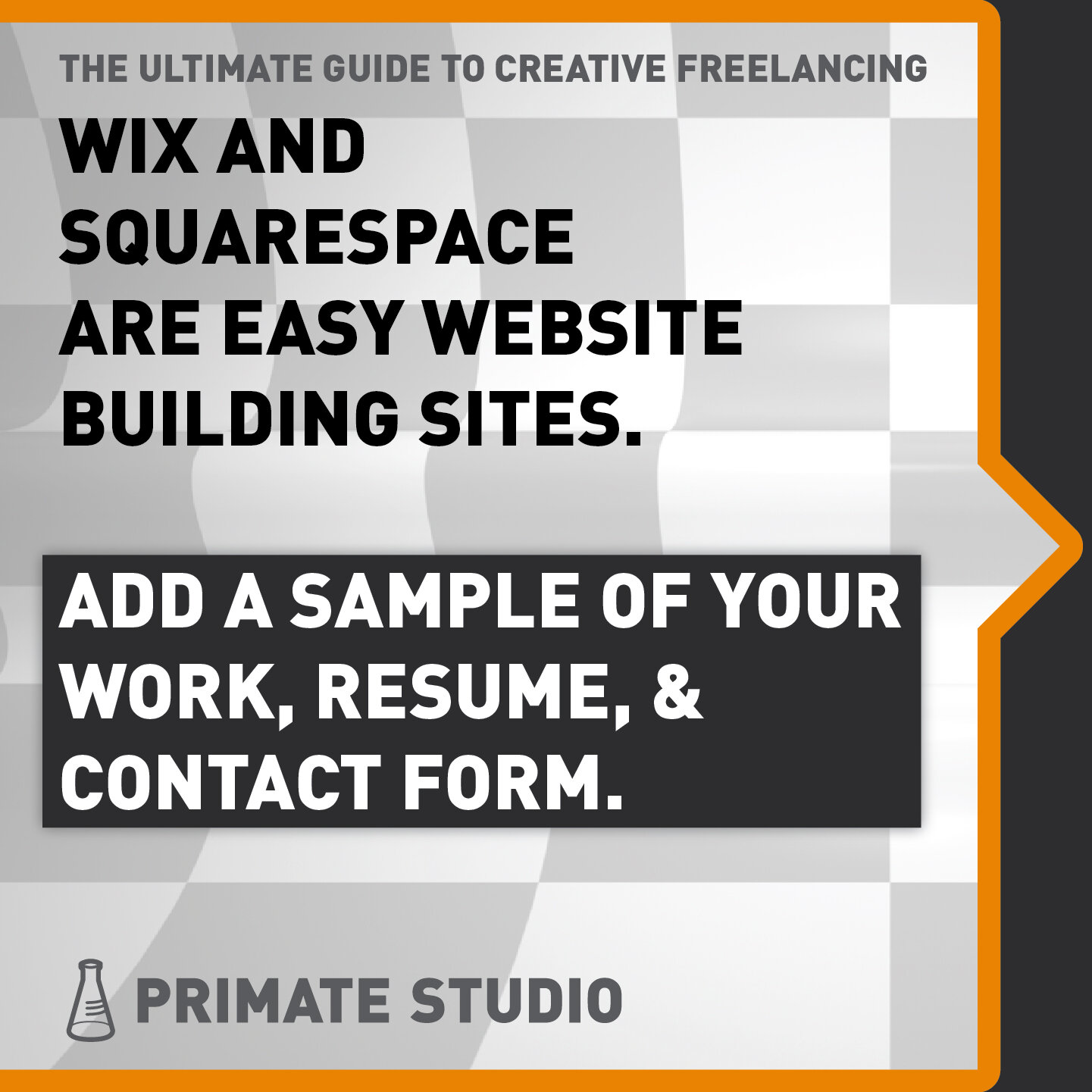
SquareSpace or Wix makes building a portfolio site easy. Semplice is a new option I have yet to explore (Thanks Aliza for the tip!)
SquareSpace generally gives you a better-looking website faster, but it is also more expensive
Wix provides you more options for customization and the ability to edit multiple pages prior to publishing, but can get messy
Google around to see if you can get student discounts or other discount codes (I use the Honey extension for Google’s Chrome Browser)
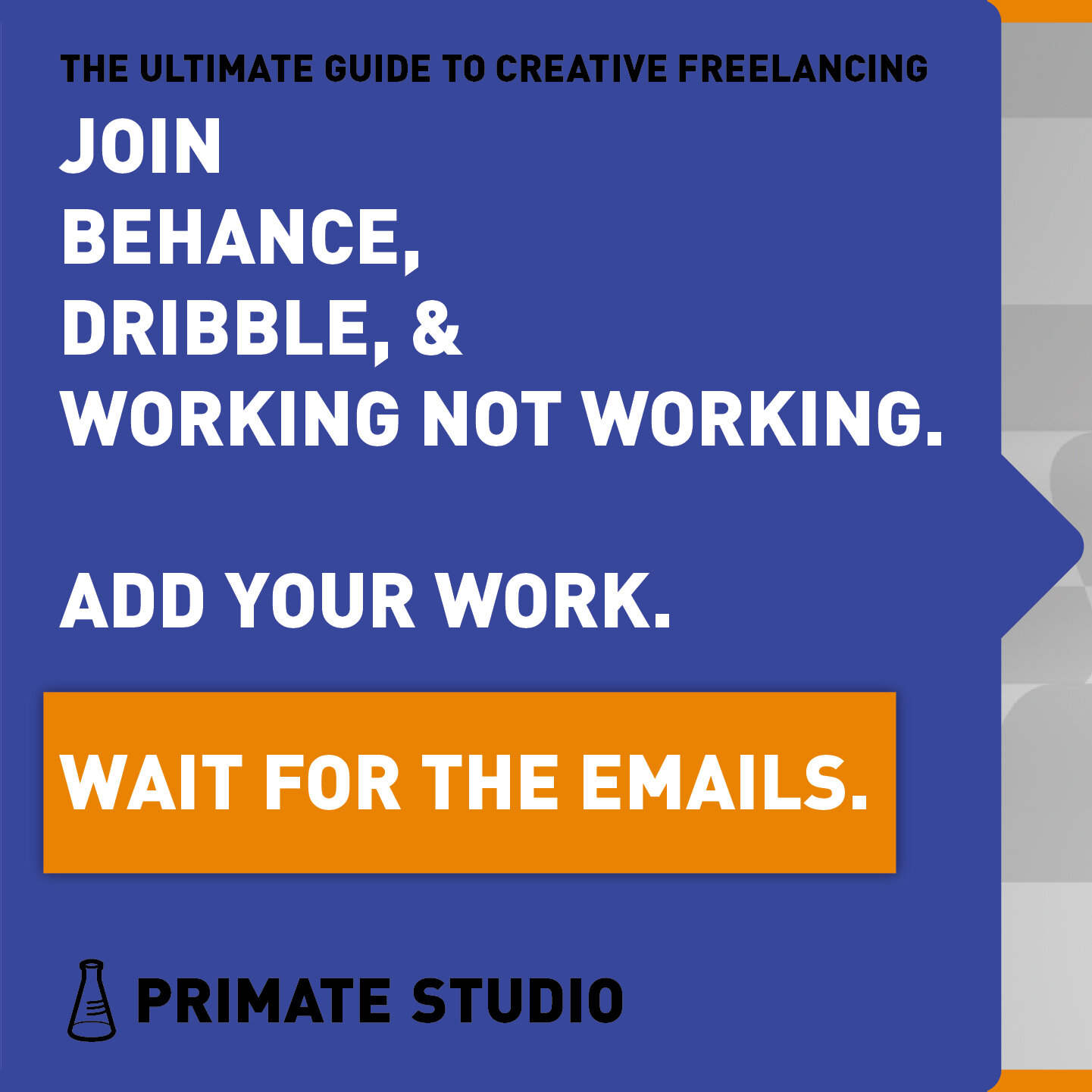
Adobe Portfolio or Behance is also a great first online portfolio
On a website:
Communicate your skills (Portfolio and Resume)
Indicate what you're looking for
Provide a contact method
Links to your LinkedIn, Instagram, Behance, etc.
Keep it simple and clean. Less work and “designed elements” are better
Remember your target audience and desired position or interested type of work
Have permission from previous employers or colleagues to show the work, give credit to teammates, and indicate your specific role
In general you cannot be prevented from showing published work when looking for new work unless contractually obligated
Your website will never be perfect or complete so don't delay launching it. It will evolve over your entire career
Social Media
Social media can generate much of your business
Don't rely on one social network or platform
Sharing your work on social media reminds friends and associates of your skills. This can lead to work
New clients can stumble upon your work or search for it
Consistency with posts over a longer time period is key to building an audience
Interacting with other posts (likes and comments) helps your work spread
I have mixed feelings about hashtags. But I think an expert would say that it helps your work be discoverable
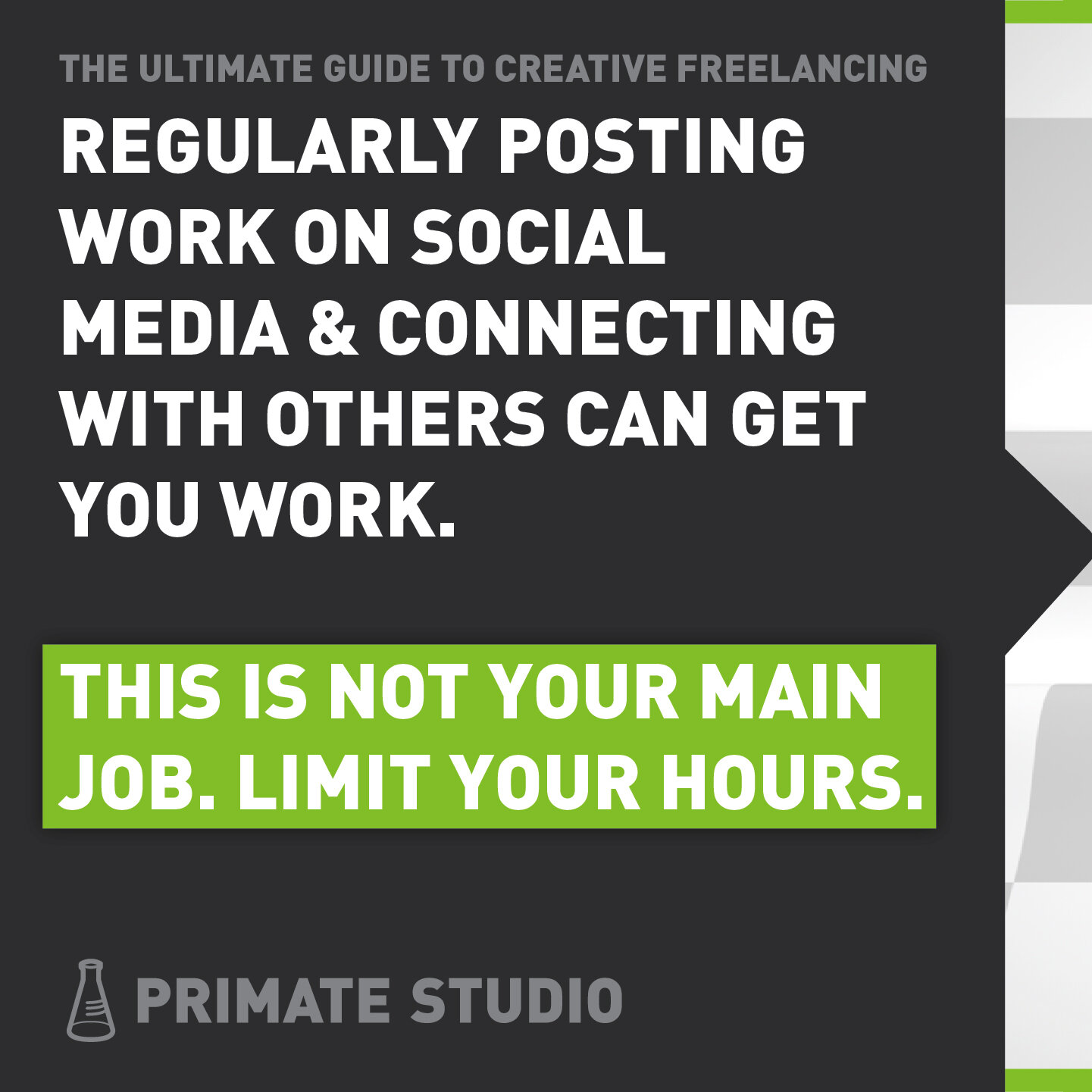
Your social media is part of a successful freelance career, not the focus, so don’t stress. (Unless you want to sell social media as a skill)
Dedicate and limit the hours you spend on this per week
Marketing
Return clients require no marketing, only previously successful work (this is desirable)
You can ask previous clients to refer you to other potential clients
New clients are difficult to obtain via “cold calls”
Don't be discouraged, just run the numbers. (i.e. For every 100 attempts, you may get 1 potential client. Keep going...)
Online ads or printed mailers are less effective than networking or referrals
Keep in touch with past clients
Send an annual holiday message
Consider publishing a newsletter. I use MailChimp
Consider doing side projects, competitions, or publications to help attract clients or expand client type
Jump to:
Introduction: Ultimate Guide to Creative Freelancing
Part 1: Starting: Part-time vs. Full-time, Contractor vs. Freelancer
Part 2: Finding Work: Online Job Search, Recruiters, Staffing Agencies, & Networking
Part 4: Taxes
Part 5: Determining your Rate
Part 6: Paperwork: Contracts, Non-Disclosures, Quotes, Estimates, & Invoicing
Part 7: Motivation: Schedules, Deliverables, & File Organization
Part 9: Advice: Client Relationships, Best Practices, & General Advice
Love,
Paul
For snarky design commentary follow @gpaulbenson on Twitter
And see our previous blog post: “Tools & Resources for Designers” for additional advice.
Best of luck! And please send your tips or questions my way by commenting below! Also, would you be interested in video tutorials? Let me know!
Special Thanks to:
Channing Ritter (Freelance Advisor)
Brendan Bergen (Copywriter & Social Media Advisor)
Hana Sato (Creative Recruiting Advisor)
Aliza Adam (Freelance Advisor)
Selwyn Rocha (Graphic Design Advisor)
Anna Lu (Professional Feedback)
Tero Honkala (Marketing & Creative Media Feedback)
Chrissy Raftery (Professional Feedback)