
Ultimate Guide to Freelancing - Part 1: Starting
Starting
“Independent Consulting” and “Freelancing” are for the most part used interchangeably, although there are some differences
Typical titles include: Freelance Motion Designer, Freelance Graphic Designer, Freelance Web Designer, Freelance Web UX / UI Developer, Freelance Copywriter, Freelance Creative, Freelance Speechwriter, Freelance Social Media, Freelance Marketing, Freelance Photographer, Freelance Bookkeeper, Freelance Business Consultant, Freelance Accountant, Freelance Teacher, Freelance Project Manager, Freelance Recruiter, Freelance Sales Representative, etc.
Increasingly, additional roles are becoming independent. For example I am a freelance 3D / Environmental / Set Designer / Graphic Designer. I go by “freelance creative.”
Some careers have been structured this way historically like the set design field as it is production based
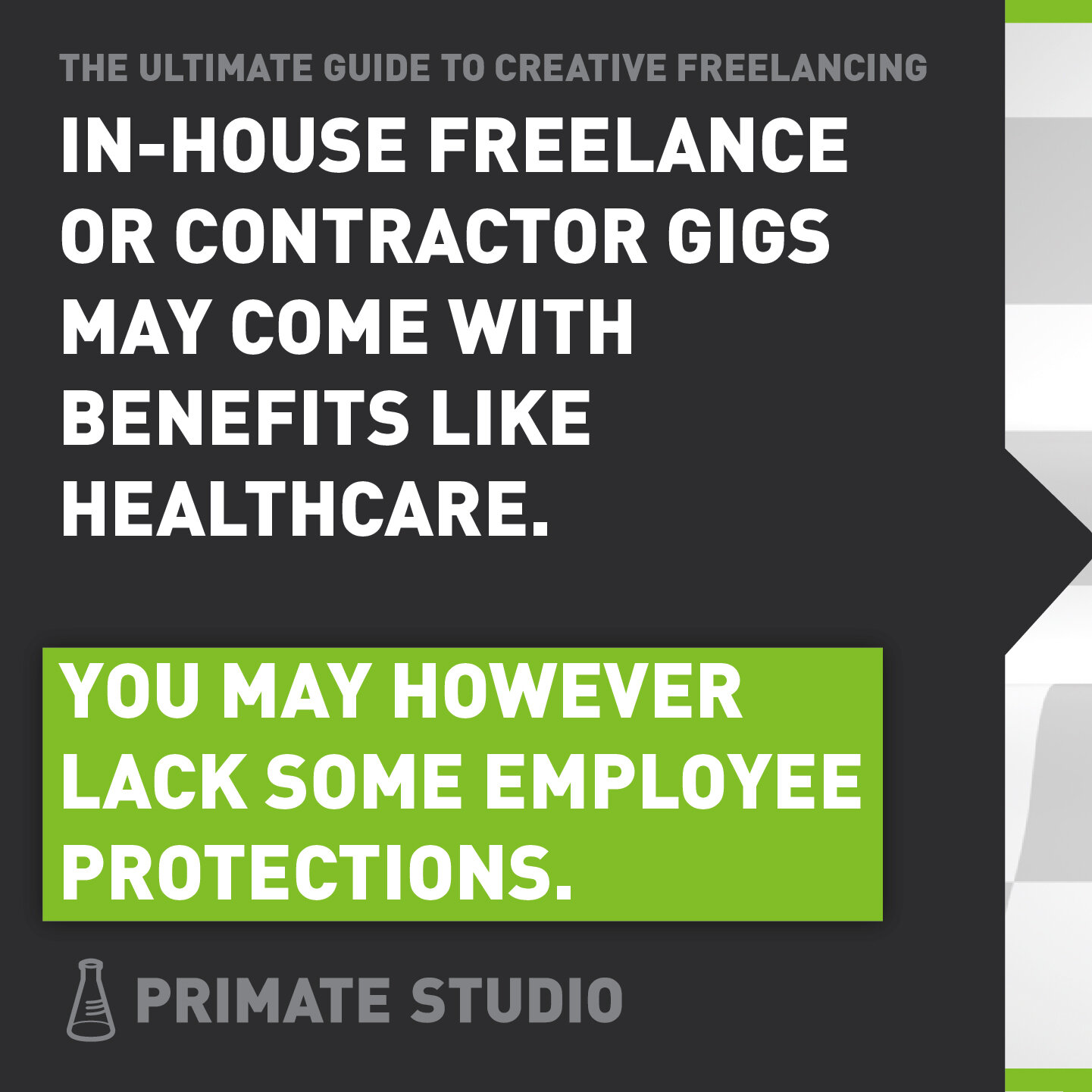
There are benefits to not freelancing as a full-time, in-house, traditional employee roles may come with benefits like health insurance and give the ability to focus on your specific skill
Freelancing requires time spent outside of your actual skill such as: managing clients, invoicing, and/or managing benefits like healthcare and insurance
I find working independently gives me more flexibility to explore my varied interests and more clearly gives me the sole responsibility for my own success and happiness
Part-time Independent Consulting or Freelancing
Full-time jobs haven’t satisfied my varied creative interests
Additional side work or “passion projects” can help generate additional income and scratch that creative itch. Thanks to Lauren Hom for introducing me to this term!
You can also do work pro-bono to help your community or non-profits
It is wise to completely separate this side work from your full-time job
This means not working on your side job while at your full-time position and not using any resources from your full-time employer
This is important as a full-time employer could claim your side-hustle as their own if you use their resources
In general, little is needed to start working on side-projects
Come tax season, TurboTax will suffice to report and pay additional taxes for part-time freelancers
It is important you report additional income on your taxes, even if minimal, as your client will report having paid you to lower their tax bill. The means that the government already knows you made the money
Additionally, you have more flexibility to deduct expenses now, rather than being caught later and having to pay back taxes
For information on taxes, how to find work, manage clients, and best practices continue reading this guide
Full-time Independent Consulting or Freelancing
There are a few steps to take if you’d like to start independent consulting full-time
Generally, you can learn as you go
However, it may be wise to secure your first client and do minimal planning prior to leaving your full-time job
In general, creating a plan and sticking to it is half the battle
Often a plan can include: “Figure this out”
Schedule items on a daily calendar as if you work in an office, even if none of the work is for a paying client yet
In this guide you’ll read about concrete logistical steps you may take in the future. This includes:
Opening a separate business bank account
Creating contracts, estimates, and invoices
Finding a certified public accountant
I’ve also written about:
Ways to find clients
Market yourself
Manage client relationships
I’m really inspired by the average small business owner who doesn’t necessarily have an MBA or higher education
I’m also really inspired by fearless immigrants of all educational backgrounds who quickly build a successful business (at a higher rate than native born citizens)
Human history proves our innate ability to innovate, learn, and prosper
You’ll be as successful as you are willing to work hard
Talk frequently to a variety of trusted experts for advice (friends and family count)
Others have paved this path before you with less resources than you have
You will stress, you will fail, you will learn a lot, and the autonomy is wonderful
Temporary Independent Consulting or Freelancing
Often upon completion of school, changes in the economy, or when laid off or unemployed, prior to finding a new full-time job, you may be tempted to freelance
This is a great idea as it can help to pay bills
You may also find relief from jobless panic by treating your temporary unemployed status more as a full-time independent consulting gig even if that means all unpaid work is geared towards finding a new job
Sometimes companies will hire you as a contractor versus a full-time employee
Theoretically, this is because the work is seasonal or temporary
In practice, it’s more likely the mega-corporation is trying to avoid paying benefits and retain the ability to lay-off contractors with changes in the economy
Sometimes a company’s contractors are employed by a completely separate company and they provide benefits like healthcare
Although you may be let go unexpectedly as a contractor you may qualify for unemployment benefits
On the flip side, if you are unhappy with the gig, you can walk away quickly to pursue other interests with some money in your pocket
In my first few years of freelancing I took several 3 month gigs in-house as a contractor
It helped fund the hunt for independent work, expand my network, and build skills
You may also be called into a company to freelance for a very short term, say, one to two weeks
Usually this is an hourly or daily rate. I’ll help you calculate your rate later in this guide
Everything is negotiable and you should feel confident to ask questions
Go to the next page for more details!
Jump to:
Introduction: Ultimate Guide to Creative Freelancing
Part 1: Starting: Part-time vs. Full-time, Contractor vs. Freelancer
Part 2: Finding Work: Online Job Search, Recruiters, Staffing Agencies, & Networking
Part 4: Taxes
Part 5: Determining your Rate
Part 6: Paperwork: Contracts, Non-Disclosures, Quotes, Estimates, & Invoicing
Part 7: Motivation: Schedules, Deliverables, & File Organization
Part 9: Advice: Client Relationships, Best Practices, & General Advice
Love,
Paul
For snarky design commentary follow @gpaulbenson on Twitter
And see our previous blog post: “Tools & Resources for Designers” for additional advice.
Best of luck! And please send your tips or questions my way by commenting below! Also, would you be interested in video tutorials? Let me know!
Special Thanks to:
Channing Ritter (Freelance Advisor)
Brendan Bergen (Copywriter & Social Media Advisor)
Hana Sato (Creative Recruiting Advisor)
Aliza Adam (Freelance Advisor)
Selwyn Rocha (Graphic Design Advisor)
Anna Lu (Professional Feedback)
Tero Honkala (Marketing & Creative Media Feedback)
Chrissy Raftery (Professional Feedback)